Decatur Rideshare Accident Lawyers
When a rideshare accident turns your life upside down in Decatur, you need a personal injury attorney who truly listens and fights like your case is the only one that matters. Our Decatur rideshare accident lawyers help passengers, drivers, and bystanders pursue full compensation after Uber and Lyft collisions.

Uber and Lyft have become a regular part of daily transportation in Decatur, with rideshare vehicles traveling U.S. 31, Beltline Road, and the Tennessee River bridges at all hours. When a rideshare trip ends in a collision, the claims process is far more complicated than a typical car accident because multiple insurance policies shift depending on the driver’s app status.
$25,000,000+ recovered for Alabamians since 2023
320+ five-star Google reviews
Who is liable when an Uber or Lyft driver causes an accident in Decatur?
Liability depends on the driver’s status within the rideshare app at the time of the crash. If the driver was actively transporting a passenger or en route to a pickup, the rideshare company’s commercial insurance policy typically provides coverage. If the app was on but no ride had been accepted, a more limited policy applies. If the app was off, only the driver’s personal auto insurance covers the accident. An attorney can investigate the driver’s app status and identify every liable party and applicable policy.
What insurance covers my injuries as a rideshare passenger?
When you are a passenger during an active Uber or Lyft trip, the rideshare company’s commercial liability policy provides up to $1 million in coverage for injuries and damages. This applies regardless of which driver caused the accident. You may also have additional coverage through your own auto insurance or health insurance. Garnett Patterson Injury Lawyers reviews all available policies to maximize the compensation available to you.
How long do I have to file a claim after a rideshare accident in Alabama?
Can Alabama's contributory negligence rule affect my rideshare accident claim?
Claim Your FREE Consultation
Establishing the Driver’s App Status
The single most important factor in a rideshare accident claim is determining the driver’s status within the Uber or Lyft app at the moment of the collision. Rideshare companies classify driver activity into distinct periods, and the insurance coverage available to you changes based on which period applies. If the app was off, the driver is treated like any private motorist. If the app was on and the driver was waiting for a ride request, a limited liability policy applies. If the driver had accepted a ride or was actively transporting a passenger, the rideshare company’s full commercial policy provides coverage.
Our attorneys obtain app data, trip logs, and GPS records directly from the rideshare company to establish which coverage period applies. This evidence is time-sensitive and can be more difficult to obtain as weeks pass after the accident.
Gathering Evidence at the Scene
Rideshare accidents on busy Decatur corridors like U.S. 31, 14th Street, and Beltline Road require thorough documentation from the outset. Photos of all vehicles involved, the rideshare app screen showing trip details, witness contact information, and the police report all serve as foundational evidence. If you were a passenger, noting whether the driver was following GPS navigation or appeared distracted can also be relevant to establishing fault.
Garnett Patterson Injury Lawyers works with accident reconstruction specialists when the circumstances of the crash are disputed, ensuring that liability is established through objective analysis rather than competing accounts alone.
Identifying All Responsible Parties
Rideshare accidents may involve more than just the rideshare driver. Another motorist may have caused the collision, or road conditions, vehicle defects, or third-party negligence may have contributed. In multi-vehicle accidents on corridors like U.S. 67 or at intersections along 6th Avenue, multiple parties and multiple insurance policies may be in play. Our team investigates every potential source of liability to ensure that no avenue of recovery is overlooked.
Alabama’s Rideshare Regulations
Alabama enacted legislation governing transportation network companies (TNCs) such as Uber and Lyft. The law requires TNCs to maintain specific levels of insurance coverage depending on the driver’s status. During an active trip or en route to a pickup, the TNC must carry at least $1 million in combined liability coverage. When the app is on but no ride has been accepted, a lower level of coverage applies. These requirements establish a baseline of insurance protection for passengers and third parties injured in rideshare accidents.
Contributory Negligence in Rideshare Cases
Alabama’s pure contributory negligence doctrine creates significant risk for rideshare accident claimants. If the insurance company can demonstrate that you were even 1% at fault for the accident, your claim can be completely barred. In rideshare cases, insurers may argue that a passenger distracted the driver, that a cyclist or pedestrian failed to yield, or that another driver contributed to the collision. Because multiple insurance companies are often involved in rideshare claims, the potential for contributory negligence arguments increases. Building a clear factual record from the beginning is essential.
Statute of Limitations
Under Ala. Code § 6-2-38, personal injury claims must be filed within two years of the date of the accident. Wrongful death claims are governed by Ala. Code § 6-5-410 and carry the same two-year deadline. Rideshare cases often require more time to investigate due to the complexity of the insurance structure and the need to obtain records from the TNC. Beginning the legal process early preserves your ability to file within the statutory deadline.
Insurance Requirements and Coverage Gaps
One of the most challenging aspects of rideshare accident claims is the potential gap between coverage periods. When a rideshare driver has the app on but has not yet accepted a ride, the TNC’s coverage is limited and the driver’s personal auto insurance may exclude rideshare activity. This gap can leave injured parties with fewer options for recovery. Our attorneys identify exactly which policies apply and pursue claims against every available source of coverage.
Handling Multi-Insurer Claims
Rideshare accident cases routinely involve three or more insurance companies: the rideshare driver’s personal auto insurer, the TNC’s commercial insurer, and the other driver’s insurer if a third party caused the collision. Each company has its own adjusters, its own defense strategies, and its own interest in minimizing its share of the payout. Garnett Patterson Injury Lawyers has recovered more than $25 million for injured clients since 2023 and brings the experience necessary to manage complex, multi-party insurance negotiations effectively.
Local Presence in Decatur and Morgan County
Our Decatur office at 496 HWY 67 S. allows our attorneys to respond promptly when rideshare accidents occur in the area. We are familiar with the roads and intersections where these collisions happen, from the high-traffic stretches of U.S. 31 and Beltline Road to the Tennessee River bridge crossings connecting Decatur to surrounding communities. Local knowledge matters when reconstructing accident scenes and establishing the facts of a case.
Protecting Passengers, Drivers, and Bystanders
We represent all categories of rideshare accident victims. Passengers injured during a trip, rideshare drivers struck by negligent motorists, other drivers and passengers involved in collisions with rideshare vehicles, and pedestrians or cyclists hit by rideshare drivers all have valid claims that deserve skilled representation. With more than 320 five-star Google reviews, our track record reflects a commitment to achieving results for every client regardless of their role in the accident.
Medical Expenses
Rideshare accident victims can pursue compensation for all accident-related medical costs. This includes emergency treatment, hospitalization, diagnostic imaging, surgeries, prescription medications, physical therapy, and long-term rehabilitation. When injuries require ongoing or future medical care, our attorneys work with medical professionals to project those costs and include them in the claim so that you are not left paying out of pocket for treatment related to someone else’s negligence.
Lost Income and Earning Capacity
Serious injuries can prevent victims from working for weeks or months. Rideshare drivers who are injured may lose not only their rideshare income but also income from other employment. Compensation may cover wages lost during recovery as well as any reduction in future earning capacity if injuries result in permanent physical limitations. We document each client’s full income picture to present an accurate accounting of the financial harm caused by the accident.
Pain and Suffering
Alabama law allows injured parties to seek compensation for physical pain, emotional distress, and diminished quality of life. Rideshare accident victims, particularly passengers who had no control over the vehicle, often experience lasting anxiety about riding in cars, difficulty sleeping, and emotional trauma beyond their physical injuries. These non-economic damages are an important part of a full recovery.
Property Damage
If your vehicle was damaged in a collision with a rideshare driver, compensation for repairs or replacement can be pursued through the applicable insurance policy. Personal belongings damaged in the accident, such as electronics or other items in the vehicle at the time of the crash, may also be recoverable.
The Multi-Policy Challenge
Unlike a standard car accident where one or two insurance companies are involved, rideshare accident claims can involve three or more insurers. Each company will attempt to shift responsibility to the others, creating delays and reducing the likelihood that any single insurer offers fair compensation without pressure. This dynamic makes legal representation particularly valuable in rideshare cases, where navigating competing insurers requires experience and persistence.
Common Insurance Tactics in Rideshare Cases
Insurance companies handling rideshare claims frequently dispute the driver’s app status at the time of the crash, argue that a different policy should cover the loss, minimize the severity of injuries by relying on initial emergency room records rather than the full course of treatment, and raise contributory negligence arguments to attempt to bar recovery entirely. Recognizing these strategies early allows your attorney to counter them with evidence and documentation before they gain traction.
Dealing With the Rideshare Company’s Insurer
When the TNC’s commercial policy applies, you are dealing with a large insurance company that handles rideshare claims regularly and has well-established strategies for keeping payouts low. These insurers are not on your side, even if the rideshare company’s public messaging suggests concern for rider safety. Garnett Patterson Injury Lawyers handles all communications with TNC insurers on behalf of our clients, ensuring that your claim is presented with the evidence and legal arguments necessary to demand fair compensation.
Why You Should Not Accept an Early Settlement
Insurance companies involved in rideshare claims may offer a quick settlement shortly after the accident. These early offers rarely account for the full scope of medical treatment, lost income, and pain and suffering that the victim will experience. Accepting a settlement before you understand the complete extent of your injuries can leave you responsible for costs that the insurance company should have covered. Our attorneys evaluate every offer against the actual and projected damages before advising clients on whether to accept or continue negotiations.
A Personalized Strategy for Your Rideshare Accident Case
No two rideshare accidents involve the same set of facts. The driver’s app status, the number of vehicles involved, the severity of injuries, and the insurance policies in play all shape the approach your case requires. Garnett Patterson Injury Lawyers develops a strategy tailored to your specific circumstances, whether that means pursuing claims against multiple insurers simultaneously, negotiating with the TNC’s commercial carrier, or preparing for litigation when a fair settlement cannot be reached.
Committed Representation for Decatur Rideshare Accident Victims
Rideshare accidents leave victims dealing with injuries while facing a claims process designed to protect insurance companies rather than the people they hurt. You deserve an advocate who understands how these cases work and who will hold every responsible party accountable. From our Decatur office, our attorneys provide hands-on representation to clients throughout Morgan County and the surrounding communities. We handle the investigation, the insurance negotiations, and the legal filings so that you can focus on your recovery.
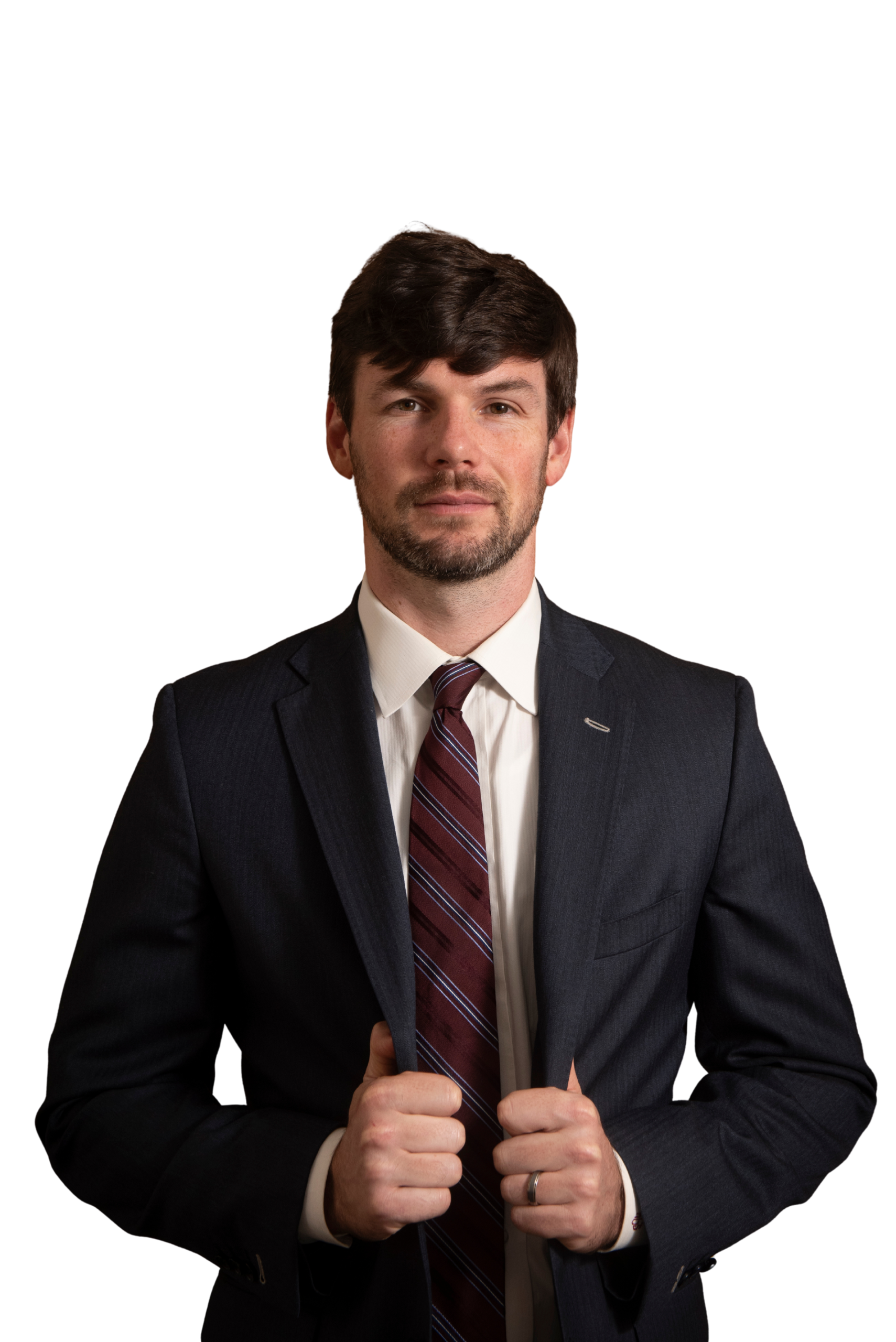
Talk to Hunter Garnett About Your Rideshare Accident Case
If you have been injured in a rideshare accident in Decatur or anywhere in Morgan County, attorney Hunter Garnett and the team at Garnett Patterson Injury Lawyers are ready to help. We offer free consultations to evaluate your case, explain your legal options, and outline a clear path forward. The insurance companies have teams of adjusters and attorneys working for them, and you should too.